

Biometric Gun Safes
Quick-access fingerprint safes for fast, secure retrieval when every second counts.
Browse Biometric Safes →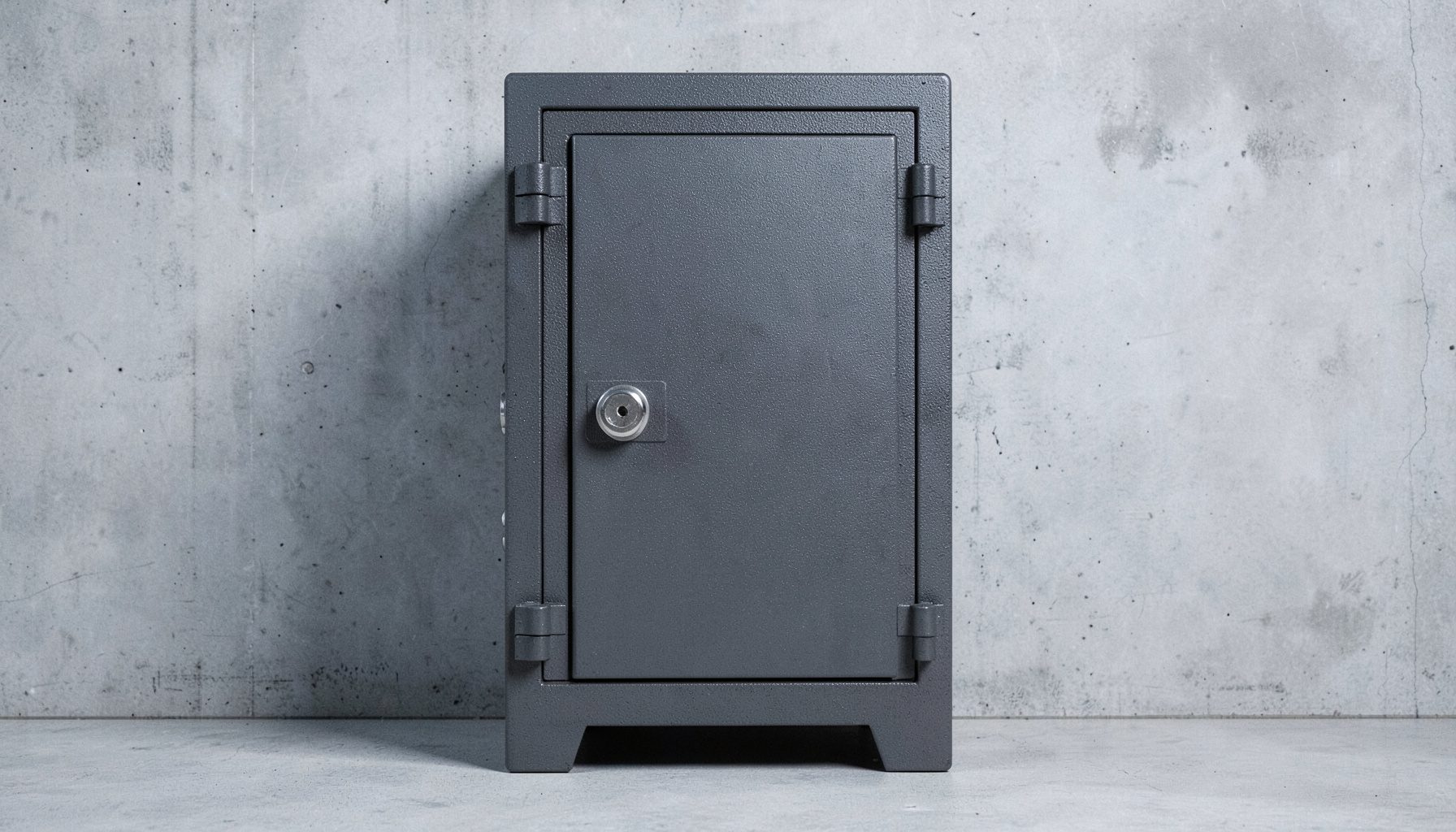
Fire Proof Gun Safes
Rated to protect your firearms and valuables against extreme heat and smoke damage.
Browse Fire Proof Safes →
Bedside Gun Safes
Compact, discreet safes designed for nightstand access without compromising security.
Browse Bedside Safes →
Wooden Gun Cabinets
Classic furniture-grade cabinets that showcase your collection with elegance.
Browse Wooden Cabinets →
Wall Gun Safes
In-wall storage that hides behind mirrors, artwork, or flush panels for true concealment.
Browse Wall Safes →
Mirror Safes
Full-length mirrors that pivot open to reveal hidden firearm storage — security in plain sight.
Browse Mirror Safes →
Hidden Cabinets
Cleverly disguised storage that blends into your home décor — shelves, clocks, and more.
Browse Hidden Cabinets →
Underbed Gun Safes
Maximize unused space with slide-out safes that fit neatly beneath most bed frames.
Browse Underbed Safes →Trusted Brands We Carry
Quality safes and cabinets from manufacturers you know.
- Stack On
- Winchester
- American Furniture Classics
- Paragon
- Barska
- Gunvault
When setting up a new website through a hosting platform, one of the first steps is securing your domain name and connecting it to your hosting account. The startup process typically begins with choosing a hosting plan that fits your needs, then registering or transferring your domain. Once these foundational pieces are in place, you gain access to a control panel where you can manage everything from email accounts to file storage. Video tutorials and knowledgebase articles are often available to guide newcomers through each step, making the initial setup far less intimidating. Understanding these basics helps ensure your online presence launches smoothly and remains accessible to visitors from the start.
Managing your billing and invoices is a routine but important aspect of maintaining an active hosting account. Most hosting providers offer a straightforward billing section within your account dashboard, where you can view payment history, update your payment method, and review upcoming renewal dates. Staying on top of invoices helps prevent accidental service interruptions that could take your website offline. Many platforms also send email reminders before charges occur, giving you time to review or adjust your plan. For those running multiple sites or client accounts, keeping billing organized is essential for smooth operations and avoiding unexpected downtime.
Customer support is a cornerstone of any reliable hosting service, and most providers offer multiple ways to get help when issues arise. Support ticket systems allow you to submit detailed questions and receive written responses, which is useful for complex technical problems. Many platforms also maintain active community forums where users share tips and solutions. For urgent matters, live chat or phone support can provide real-time assistance. A well-organized knowledgebase filled with articles and tutorials can often answer common questions without needing to contact support directly. Having these resources available makes troubleshooting far less stressful, especially for those new to managing their own hosting.
Getting started with web hosting involves more than just signing up for a plan; it requires understanding the tools at your disposal. The control panel is your central hub for managing files, databases, email accounts, and security settings. Many hosting platforms provide webmail access so you can manage professional email addresses tied to your domain. As your site grows, you may need to explore additional features like subdomains, SSL certificates, or backup tools. The key is to take things step by step, using the available guides and tutorials to build your confidence. With the right foundation, even beginners can successfully launch and maintain a functional, professional website.